Why Matrix is Unstoppable
 VIEW PROJECT
At Matrix, we provide a high-performance execution framework that enables developers to build scalable, secure, and cost-efficient on-chain systems. By compressing execution data and leveraging BNB Chain as the settlement layer, Matrix delivers predictable low fees, fast block confirmations, and exceptional throughput for real-time applications.
Our mission is to empower developers with modular infrastructure — from App-Chain SDKs to optimized virtual machines — enabling new categories of applications such as high-frequency trading, gaming, payments, AI agents, and data-intensive services.
Matrix powers fast, low-cost on-chain apps with a next-gen rollup optimized for calldata, backed by BNB Chain security.
Matrix’s modular design powers high-performance on-chain apps, enabling efficient, low-gas execution for data-heavy workloads.
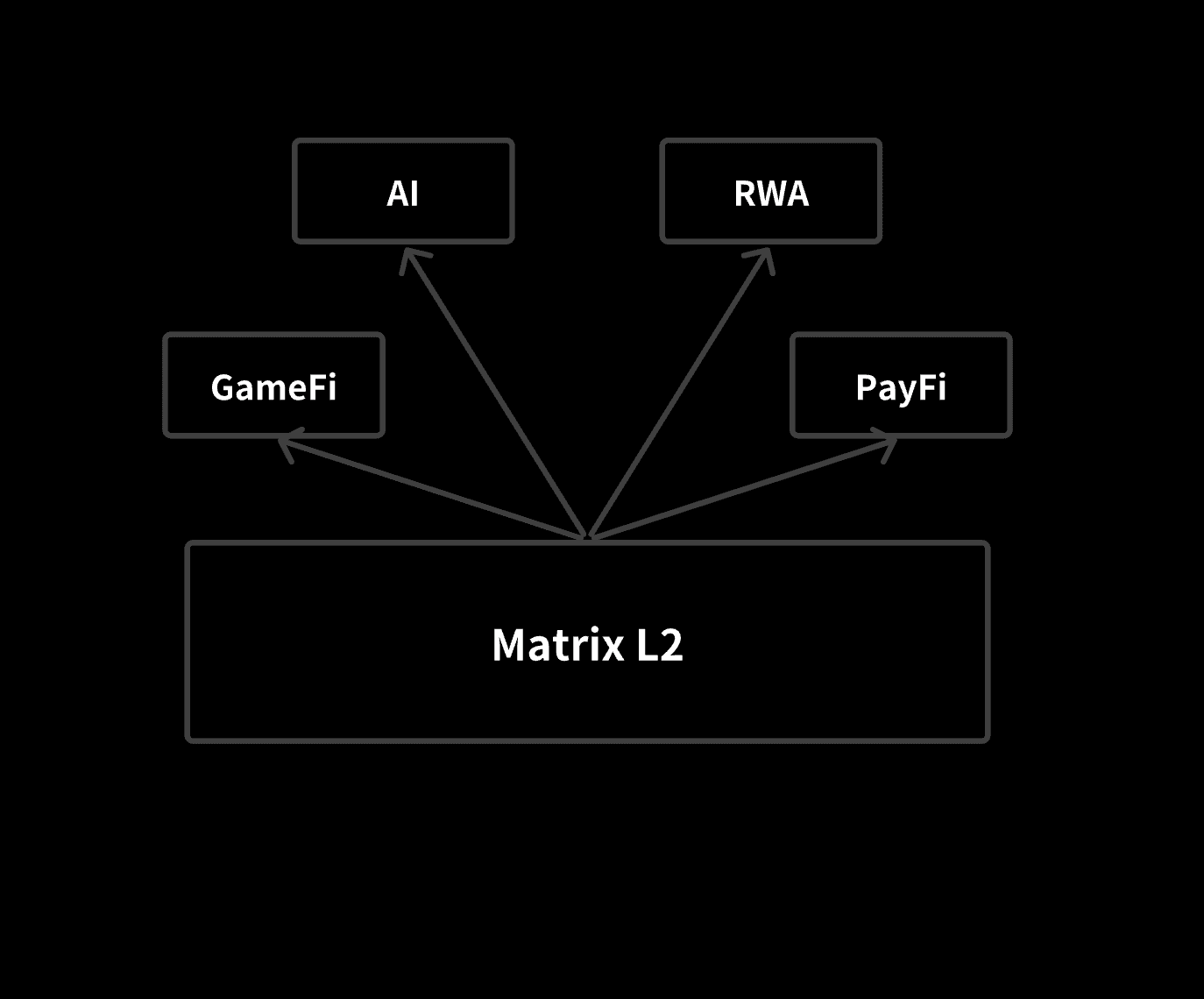
Matrix enables next-gen decentralized systems—from trading and gaming to payments, AI agents, and cross-chain apps—built on scalable, reliable infrastructure.
Matrix powers fast, low-cost on-chain apps with a next-gen rollup optimized for calldata, backed by BNB Chain security.
Matrix’s modular design powers high-performance on-chain apps, enabling efficient, low-gas execution for data-heavy workloads.
Matrix enables next-gen decentralized systems—from trading and gaming to payments, AI agents, and cross-chain apps—built on scalable, reliable infrastructure.
Join us in advancing a high-performance rollup framework that enables developers to build real-time, data-intensive, and low-cost applications on BNB Chain.
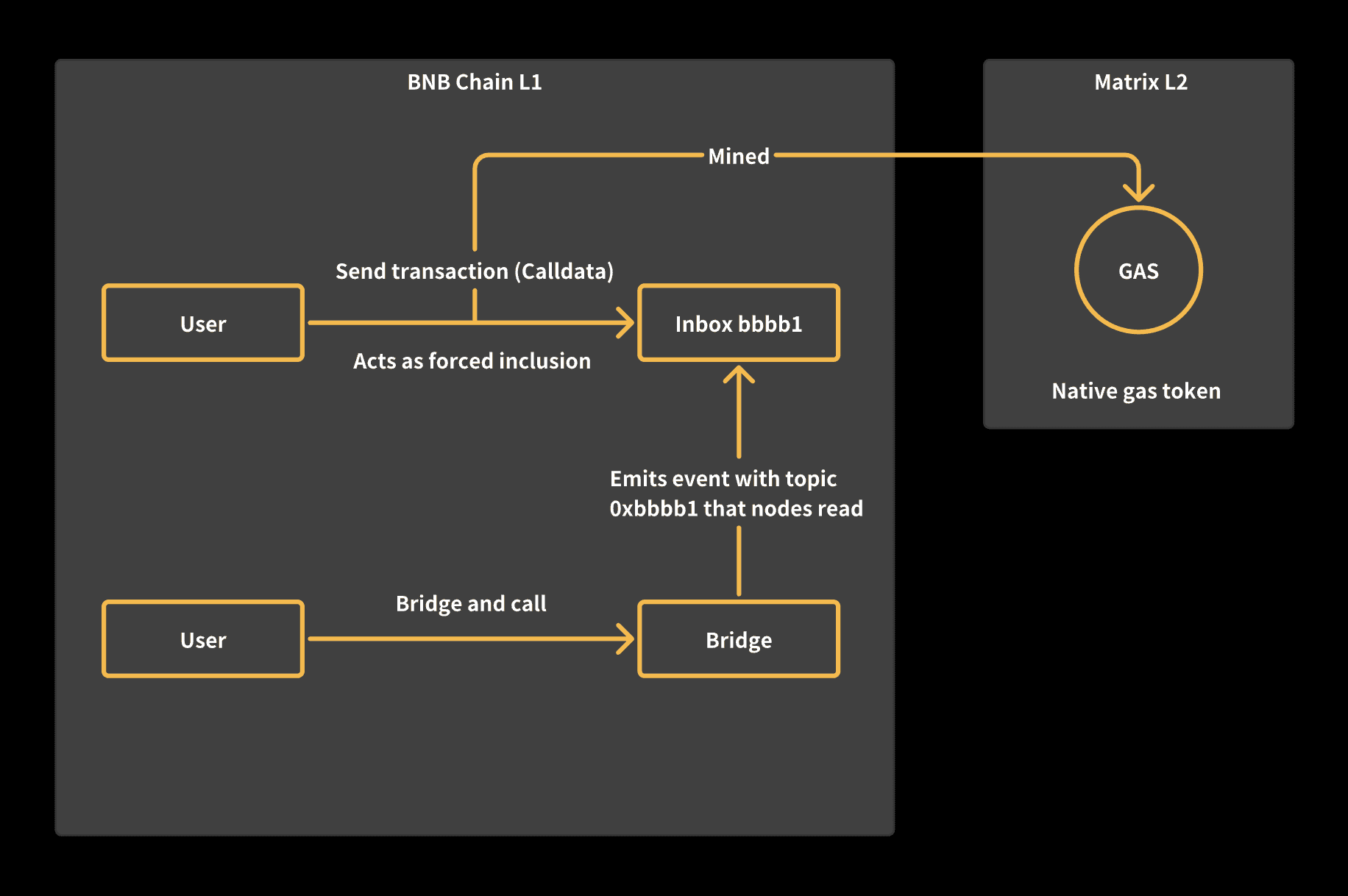
Launch seamless cross-L1-to-Matrix interactions with a unified SDK that abstracts Inbox encoding, transaction routing, and contract execution across chains. Build on Matrix with full control over calldata, performance, and execution guarantees.
A high-efficiency virtual machine designed for calldata-driven workloads and real-time on-chain processing.
Fast, predictable transaction ordering and block production secured by BNB Chain L1.
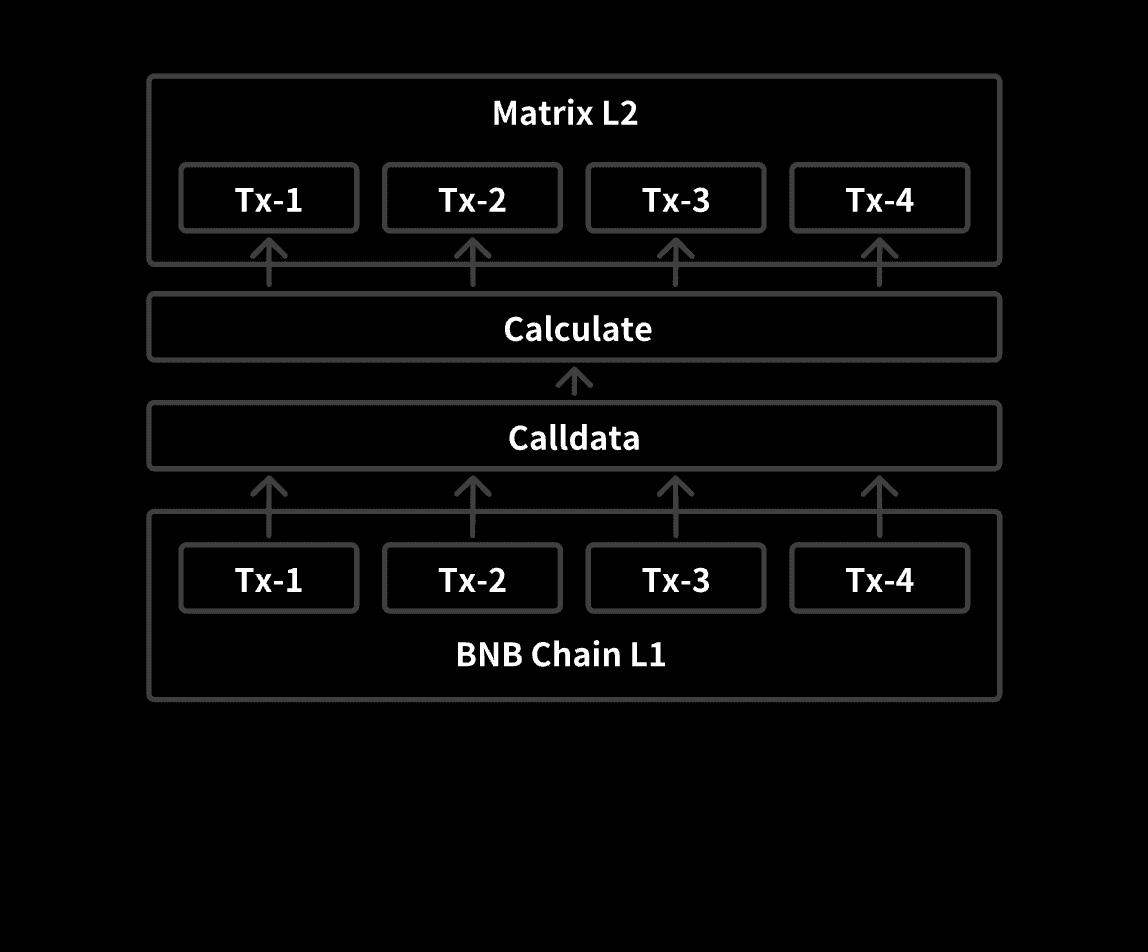
Advanced calldata compression to significantly reduce gas usage while maintaining execution integrity.
Seamless interoperability with BNB Chain and external ecosystems through secure messaging layers.
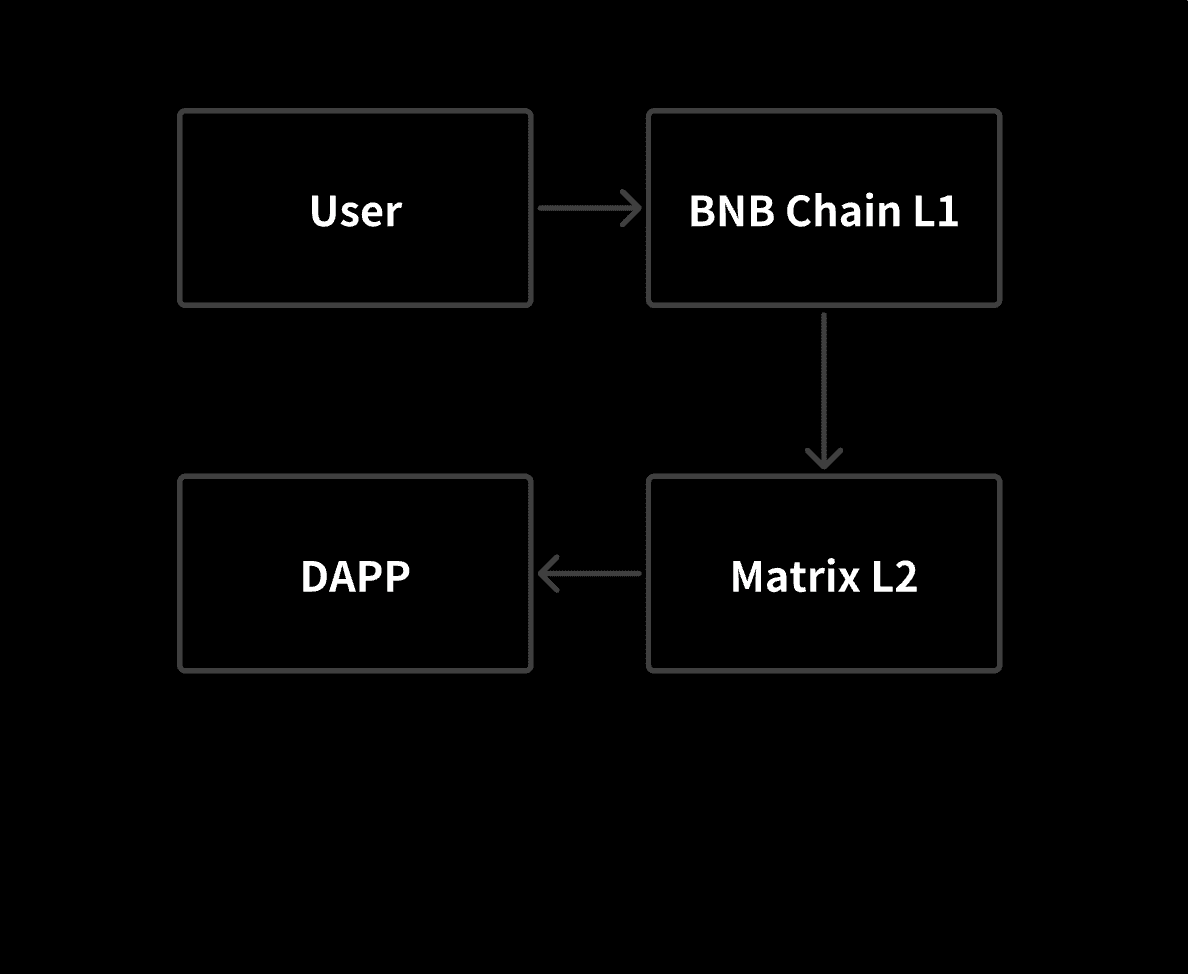
High-performance RPC access to Matrix with a read-only execution model. Since Matrix is an execution-only rollup, all transactions must be submitted through BNB Chain L1, not directly on L2. The RPC endpoint provides fast, reliable queries for blocks, state, logs, and execution data — secured and synchronized by BNB Chain.
01
02
03
04
05
06
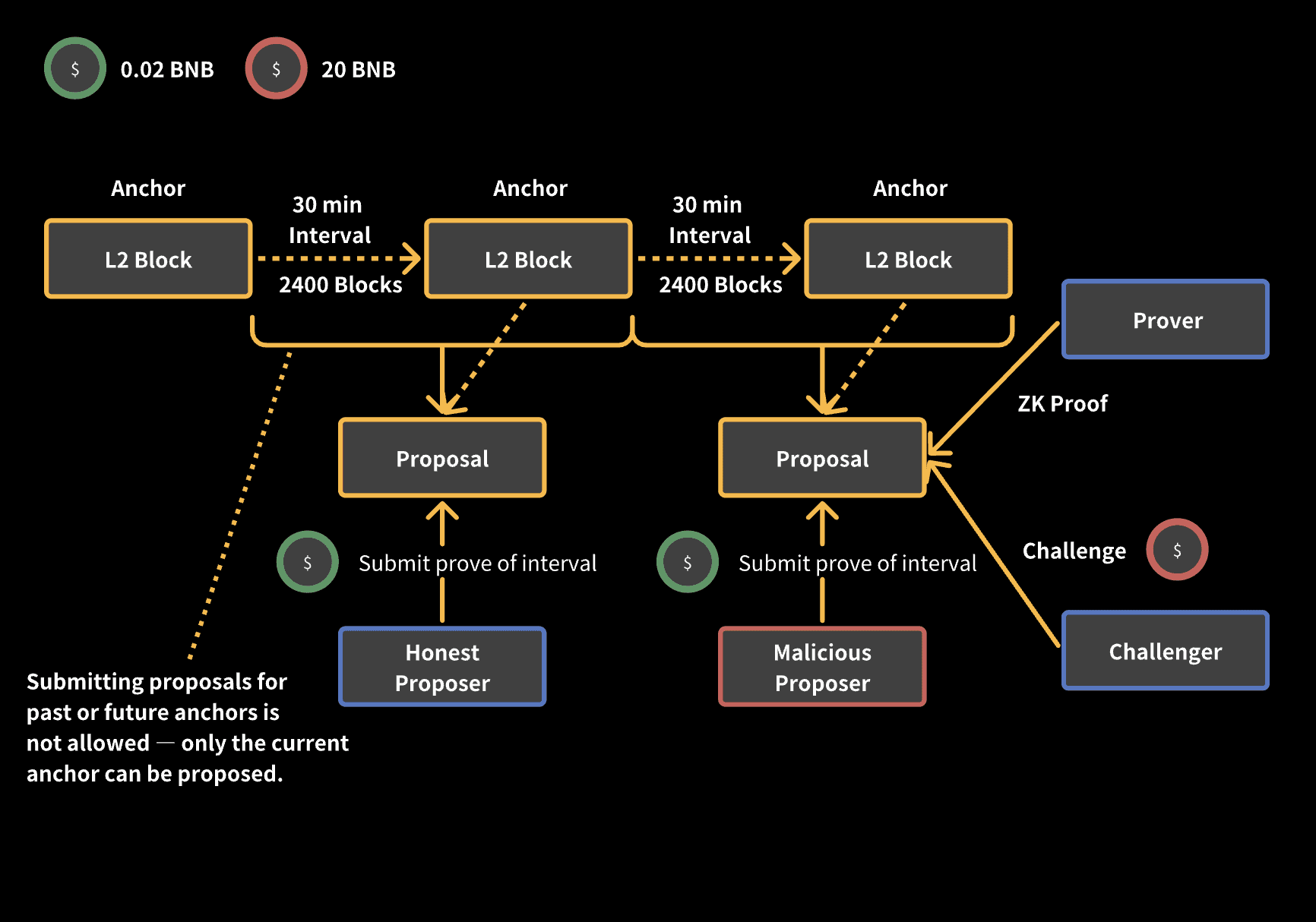
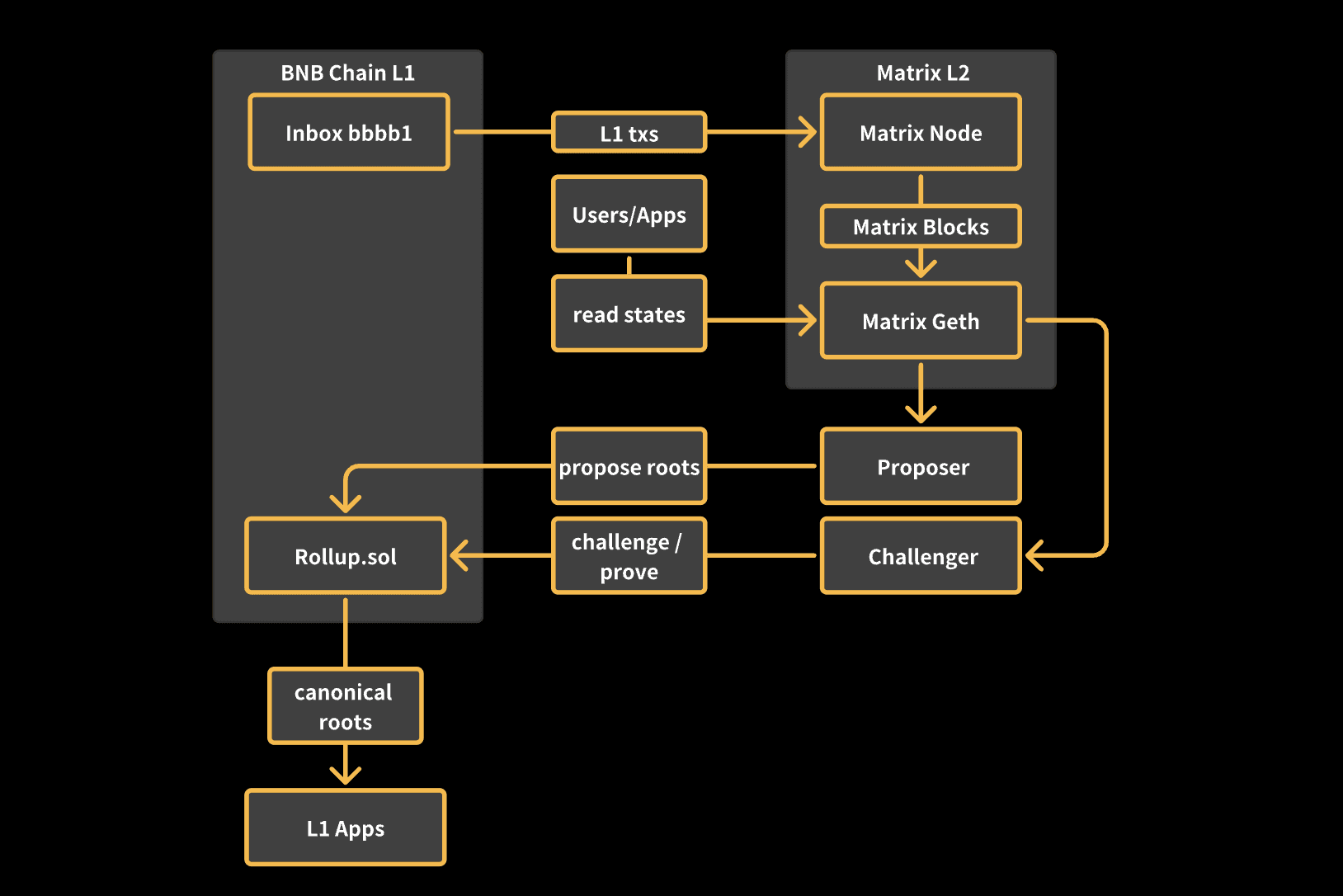
We’re advancing a dual-track proving system that unifies optimistic bonding with permissionless ZK verification. This upgrade is a key milestone in our roadmap, enabling faster settlement, stronger guarantees, and a fully community-validated future.
Users can directly submit transactions on L1 to self-sequence, ensuring that transactions are included reliably under any circumstance.
All data required for proof construction is published on-chain, ensuring strong data availability and allowing anyone to independently verify state transitions.
We are building a dual-track system that combines optimistic proposals with ZK validity proofs, ensuring that state correctness is guaranteed by mathematics rather than trust assumptions.
We are upgrading the proposal mechanism to allow any participant to submit state roots when accompanied by a validity proof, further improving decentralization and system robustness.
After the TGE, the L1 bridge will transition to DAO governance. The initial exit window is expected to be 7 days, and will be expanded to 30 days as governance infrastructure matures.